
October 1, 2025
October is here. In a few days, Uganda will celebrate another year of independence. The national anthems will play on the radio, speeches will be made about sovereignty and progress, and the black, yellow, and red flags will be draped over balconies in the richer parts of the city.
We love our country. At Fecane Child Foundation, we are proudly Ugandan-founded and Ugandan-led. We celebrate how far we have come as a nation.
But after five years of working deep inside the pathways of Wakiso, we have an obligation to speak the truth that the celebrations often ignore.
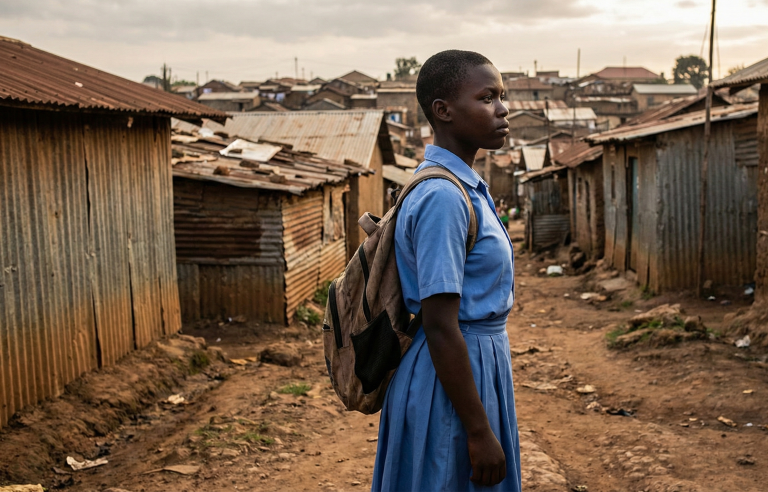
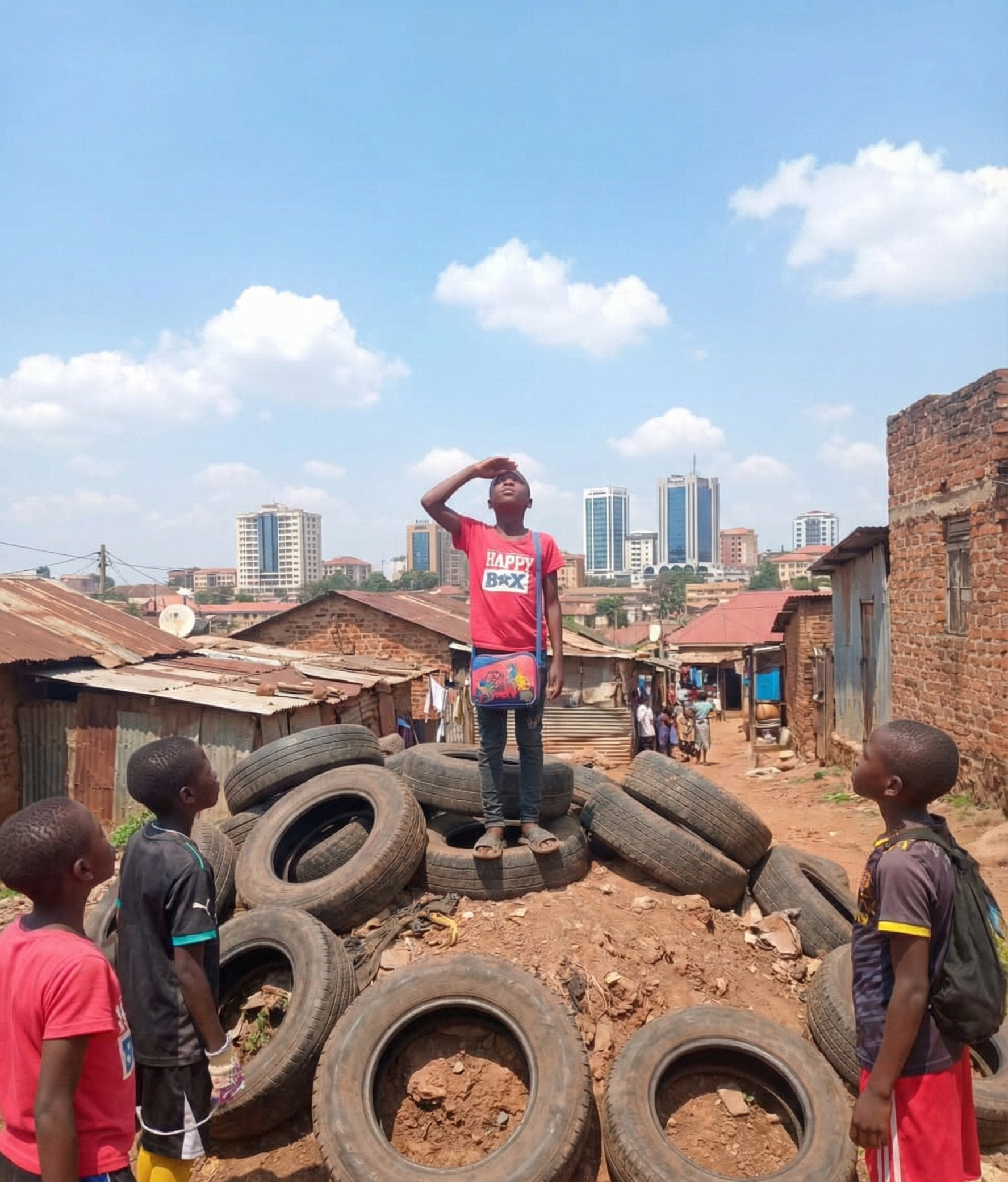
When you stand in the middle of Zone C, where the mud from the last rain hasn’t fully dried and children are playing with toys fashioned from trash, the word “independence” rings with a different frequency.
For a child born into the suffocating reality of extreme poverty, what does “freedom” actually mean?
The Invisible Prison Walls
Political independence means self-governance. It means the ability of a nation to determine its own destiny.
But poverty is a form of colonization of the soul. It imposes strict rules on a child’s life that are just as limiting as any external ruler.
If a 12-year-old girl cannot leave her home because she doesn’t have sanitary pads during her period, she is not free. If a brilliant 15-year-old boy has to drop out of school to break rocks for pennies because his family cannot afford fees, he is not free to determine his destiny. If a mother has to choose which of her three children gets to eat dinner tonight, that household is living under a tyranny of scarcity.
Poverty is a cage without bars, but its boundaries are absolute. It dictates where you live, what you eat, how you learn, and how long you are likely to live.
Redefining Liberty for the Next Generation
At Fecane, we believe that the work of independence did not finish in 1962. It is an ongoing struggle. True national liberation is not achieved until the most vulnerable child in Wakiso has the same opportunity to succeed as a child in the wealthiest suburb of Kampala.
Through the eyes of the children we serve, “freedom” looks very practical:
- Freedom is a full stomach: It’s knowing that the porridge we provide will be there every morning, liberating their minds from the distraction of hunger so they can focus on algebra.
- Freedom is a safe space: It’s having a place like our proposed “Vision 2030” Learning Center, where they are free from the dangers of the street and free to be just children.
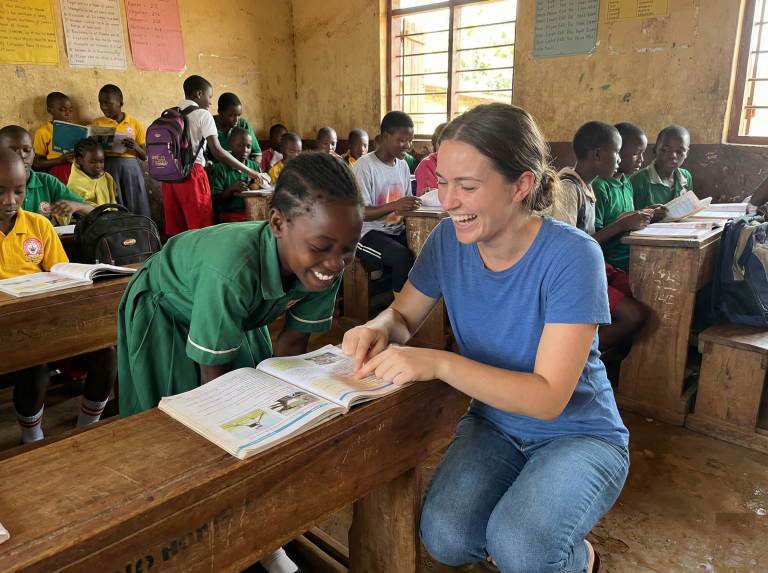
- Freedom is a book: Literacy is the ultimate passport. It allows a child to travel outside the confines of the slum in their mind, and eventually, in reality.
“You cannot eat a flag. You cannot live in a national anthem. For our children, patriotism isn’t a speech; it’s the concrete act of providing the tools they need to break the chains of generational poverty.”
The Patriots of the Slum
This month, as we celebrate our nation, let us also celebrate the true patriots on the ground.
The single mother working three jobs to keep her daughter in school—she is a freedom fighter. The volunteer teacher showing up to our crowded halls for free to tutor struggling students—he is building the nation. The donors who support our work from afar—you are investing in Uganda’s future liberty.
Independence is not a historical event to look back on. It is a daily task to look forward to. We are still building this nation, one child, one book, and one meal at a time.
True independence is the ability to dream of a future that is bigger than your present. Too many children in Wakiso are still waiting for that freedom.
This Independence month, make a patriotic investment in the future of Uganda. Help us build the infrastructure of liberation. Contribute to the Vision 2030 Capital Fund