
April 2, 2025
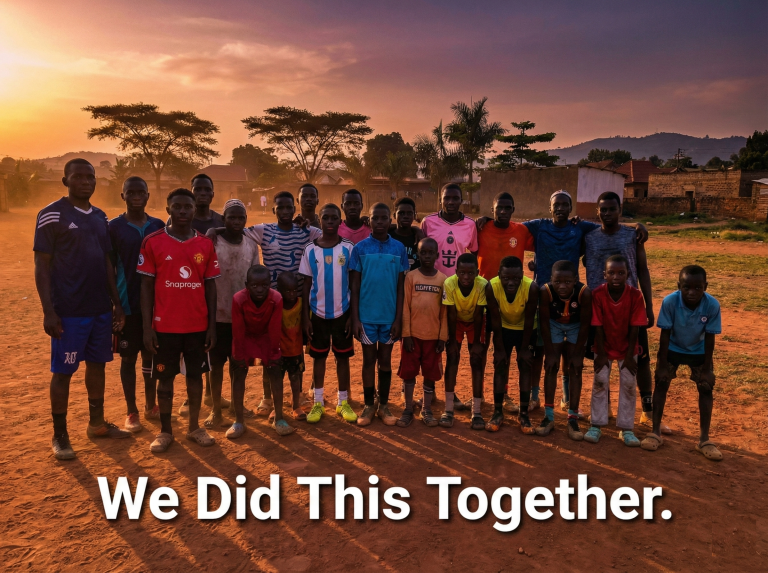
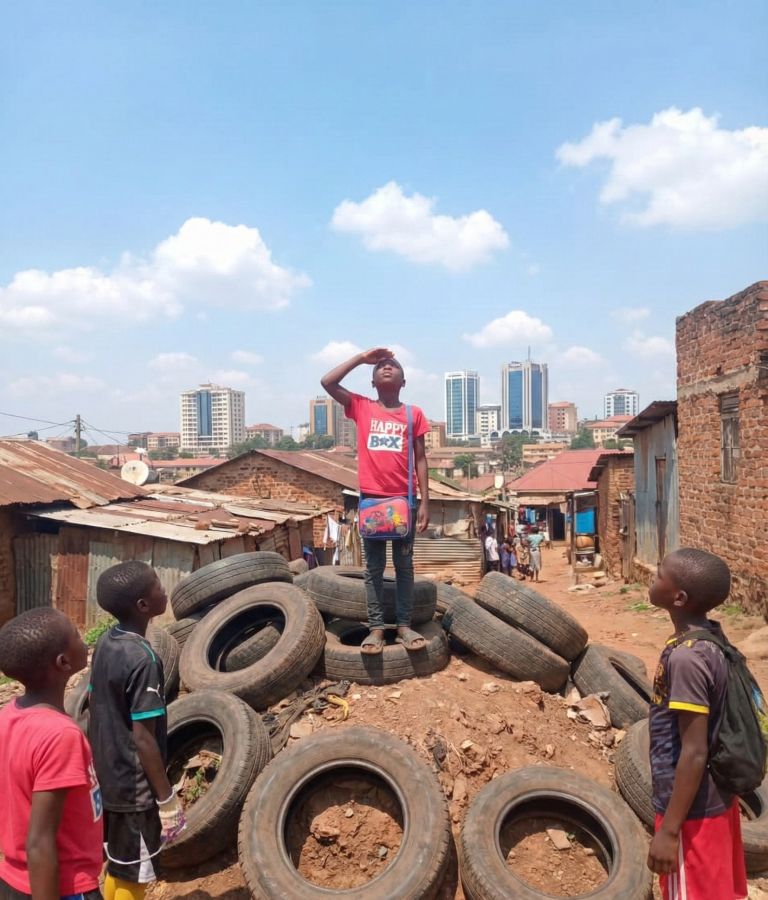
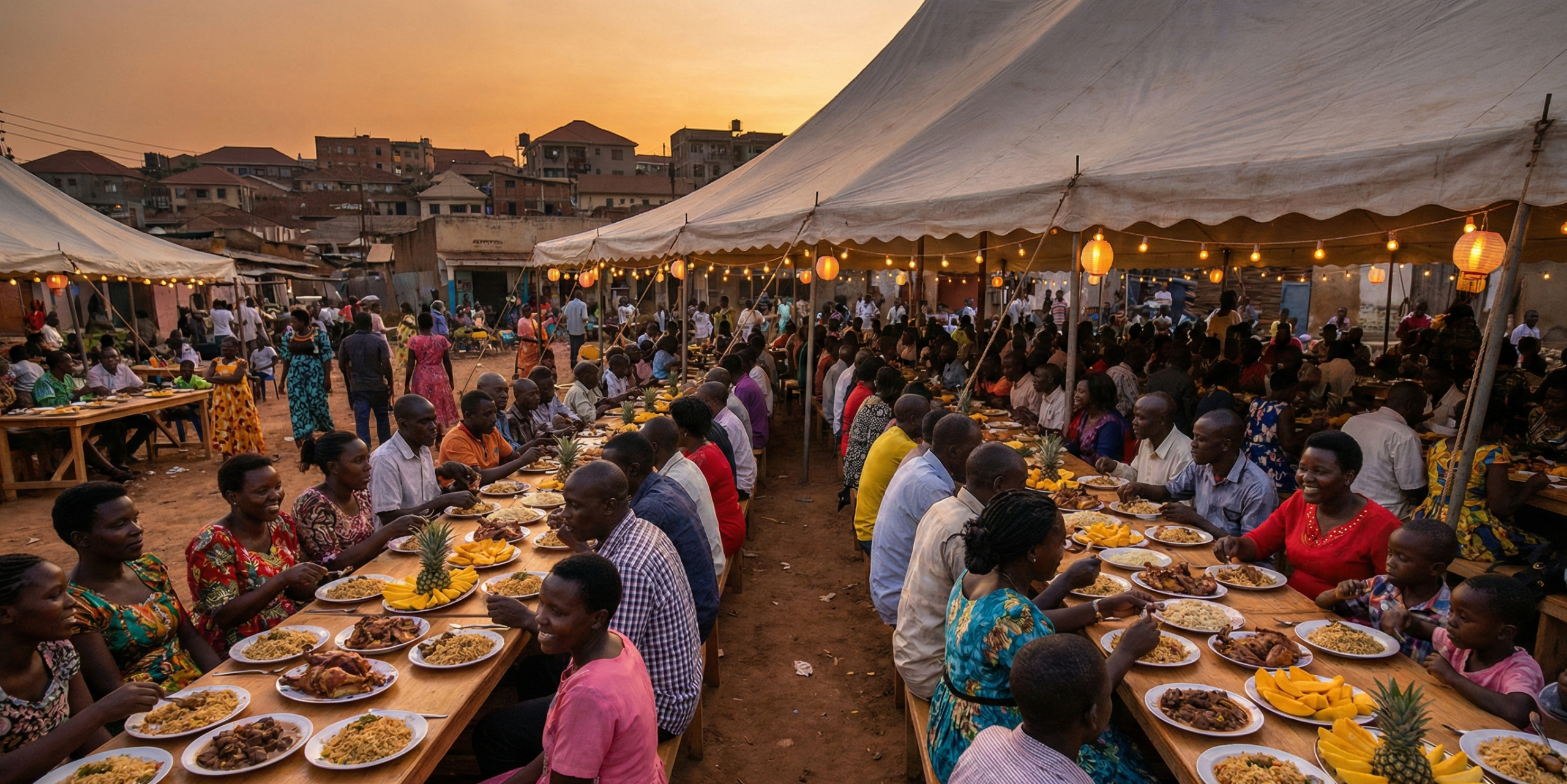
As the sun dipped below the rusted iron roofs of Kampala yesterday evening, a hush fell over “Kisenyi”—the densest, most economically challenged section of our community. The long day of fasting was over.
Usually, this moment is met with anxiety in many households. After 14 hours without food or water, the question isn’t just “What shall we eat?” but “Do we have enough to eat?” The current economic inflation has made the traditional abundance of Ramadan a distant dream for many families here.
But last night, the anxiety was replaced by the smells of pilau rice, roasted chicken, and fresh watermelon drifting through the air.
A Tradition of Solidarity
At Fecane Child Foundation, we serve everyone, regardless of faith. But we recognize that Ramadan is a cornerstone of life for a huge percentage of our community. We cannot claim to support Wakiso if we ignore the most significant month in its calendar.
Five years ago, during the lockdowns of 2020, we struggled to provide cups of porridge to 10 children. Yesterday, thanks to our matured logistics network and the generous support of our international donor community, we executed our largest single-day food event in history.
We didn’t just hand out bags of raw rice and leave. We wanted to host an Iftar—a communal breaking of the fast.
Dignity in the Details
We chose Kisenyi deliberately because the need there is most acute. We transformed a dusty open ground into a banquet hall.
The difference between “food aid” and “community support” is in the details. We insisted on dignity. Families didn’t stand in desperate queues holding plastic bags. They were invited to sit at long tables laid with proper plates and cutlery. They were served by our volunteers—the youth of Wakiso serving their own elders.
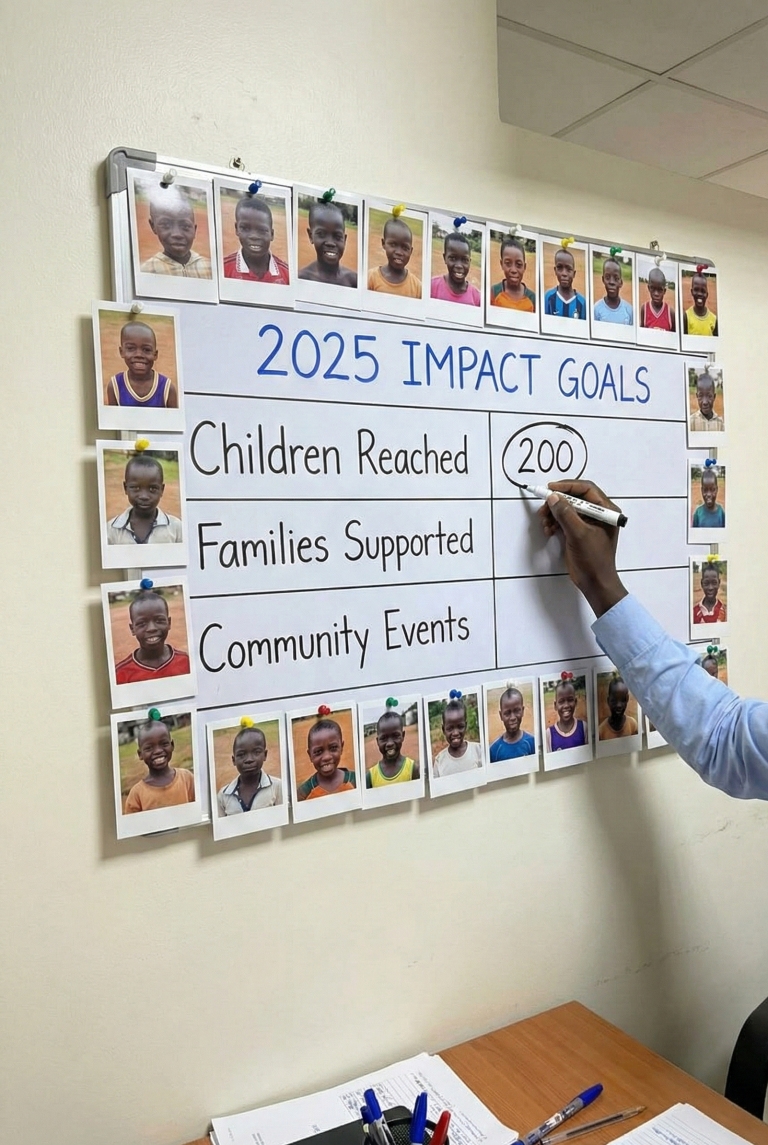
For two hours, 200 families—over 1,000 individuals ranging from toddlers to grandparents—ate together. The atmosphere wasn’t one of desperation; it was one of celebration, connection, and shared relief.
“The hunger of the day is the same for everyone, rich or poor. But the joy of Iftar should also be the same. Tonight, in Kisenyi, no one ate alone, and no one ate with worry.”
The Logistics of Empathy
Executing an event of this scale in the middle of a slum requires precision. Our team spent weeks coordinating with local Kisenyi leaders to identify the households that would benefit most, ensuring tickets were distributed fairly to widows, large families, and the elderly.
We partnered with local Kisenyi cooks to prepare the massive quantities of food, injecting capital directly back into the local economy.
As the plates were cleared and the evening prayers began, the feeling in the air was palpable. It was a reminder that even in the hardest circumstances, this community knows how to come together.
We provided a night of abundance and peace for 1,000 people. But Ramadan lasts for 30 days, and hunger lasts all year.
Events like this are challenging to host in temporary outdoor spaces. Our “Vision 2030” plan includes a permanent, industrial-sized community kitchen dedicated to serving thousands efficiently and hygienically. Help us build the infrastructure to feed our community year-round. Support the Kitchen Construction Fund