
June 20, 2020
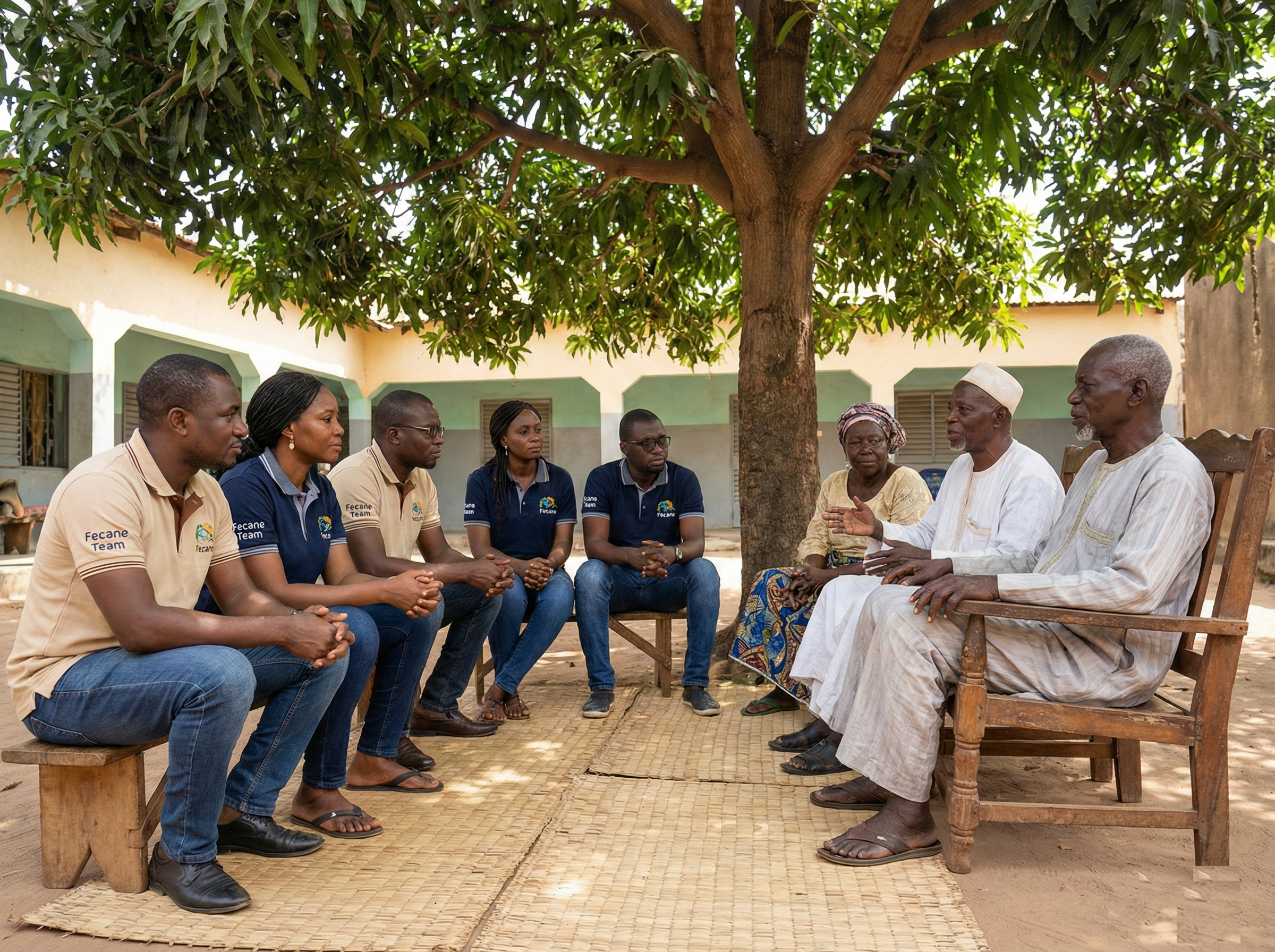
The air was still under the shade of the large mango tree where the meeting was held. We had our proposals, our budgets, and our passionate plans for the children of Wakiso ready in our minds. But as we approached the elders, seated with quiet dignity on their woven mats, we knew that none of our paperwork mattered yet.
Today was not about presenting solutions. Today was about asking permission to exist.
In the rush to “do good,” many organizations forget the most crucial step in African community work: respect for the existing structure. You cannot enter someone’s home and rearrange their furniture without introducing yourself to the head of the household.
The Protocol of Respect
In Wakiso, the elders are the keepers of history and the guardians of the community’s future. They have seen waves of promises come and go. They have seen outsiders arrive with loud solutions for problems they only partially understood, only to vanish when the funds dried up.
We were nervous. We knew that without their blessing, Fecane Child Foundation would just be another temporary visitor. We needed their trust to become neighbors.
We sat low, maintaining appropriate social distance, and we did the most important thing we could do: we kept quiet.
Listening to the Soil
For two hours, we listened. The elders spoke slowly and deliberately. They told us about the history of the slum—how it had grown, where the deepest pockets of poverty were hidden, and which families were crumbling silently behind closed doors.
They spoke of their skepticism. They challenged our commitment. They wanted to know if we were here for the “photo opportunity” or for the hard, decades-long work of lifting a generation.
It was a humbling experience. It reminded us that while we might bring certain resources, they possess the wisdom of the context.
One elder leaned forward on his staff and told us: “Many come here wanting to plant mangoes because they want the fruit quickly. But they do not ask us about the soil. If you do not understand the soil, the tree will die. We are the soil.”
The Green Light
We answered their questions honestly. We admitted what we didn’t know. We promised that Fecane would be led by local voices, not foreign agendas.
By the end of the meeting, the atmosphere had shifted from cautious interrogation to cautious welcome. They gave us their blessing. They agreed to introduce us to the key families and to vouch for us in the community pathways where trust is hard to earn.
We left that meeting under the mango tree feeling lighter, yet carrying a heavier responsibility. We now have the official “green light.” The gate to the community has been opened to us by its keepers. Now, we must prove we are worthy of walking through it.
Paste this at the very bottom, bolded or in a colored box.
We have successfully laid the cultural foundation for our work. The community elders have opened the door for us. Now we need the resources to step through and begin our long-term programs.
The path is cleared. Will you help us take the first major steps? Support Our Newly Approved Community Programs